
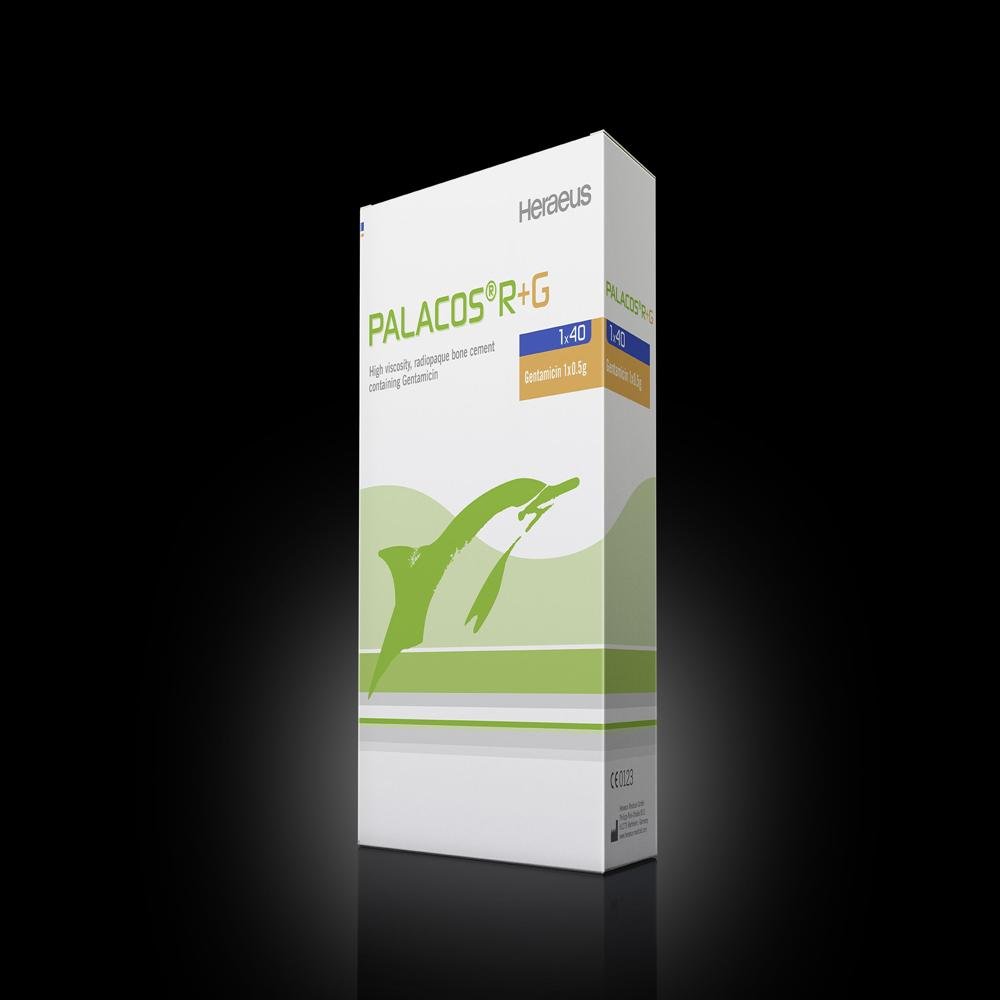
Plain Cements
Plain bone cement, commonly made from polymethyl methacrylate (PMMA), is a widely used orthopedic material that provides strong and durable fixation between implants and bone. Unlike antibiotic-loaded cements, plain cement contains no added antimicrobial agents, making it ideal for standard primary joint replacements where infection risk is minimal. During surgery, the cement is mixed into a dough-like consistency and applied to fill the gap between the prosthesis and the bone surface, creating a stable mechanical interlock as it hardens. This ensures immediate fixation, proper load transfer, and long-term implant stability.
Plain bone cement is valued for its excellent handling characteristics, predictable setting time, and high compressive strength. It is commonly used in procedures such as Total Knee Replacement (TKR), Total Hip Replacement (THR), and various trauma surgeries.
Its smooth flow properties allow surgeons to achieve uniform penetration into cancellous bone, enhancing stability and reducing micromotion around the implant. Because it does not contain antibiotics, plain cement is also preferred in cases where specific antimicrobial regimens are not required or when surgeons choose to customize antibiotic mixing separately.